

Pearls come in a range of natural colors, each with their own unique charm. From classic white to rare golden and deep black, the color of a pearl plays a major role in its desirability. Understanding how color affects pearl grading helps buyers choose pieces that best suit the preferences and style that they’re looking for.
What Influences Pearl Color?
Several factors contribute to the color of a pearl, including the species of oyster, water conditions, and the presence of trace elements. Unlike artificially dyed pearls, natural pearls develop their color over time, making each one truly unique. The interplay of overtones and undertones gives depth and richness to their appearance.
The Most Sought-After Pearl Colors
- White Pearls: Known for their timeless elegance, white pearls are a staple in fine jewelry. They often have subtle pink or silver overtones, enhancing their classic appeal.
- Golden Pearls: Rare and luxurious, golden pearls are primarily found in South Sea varieties. Their warm tones make them a popular choice for statement pieces.
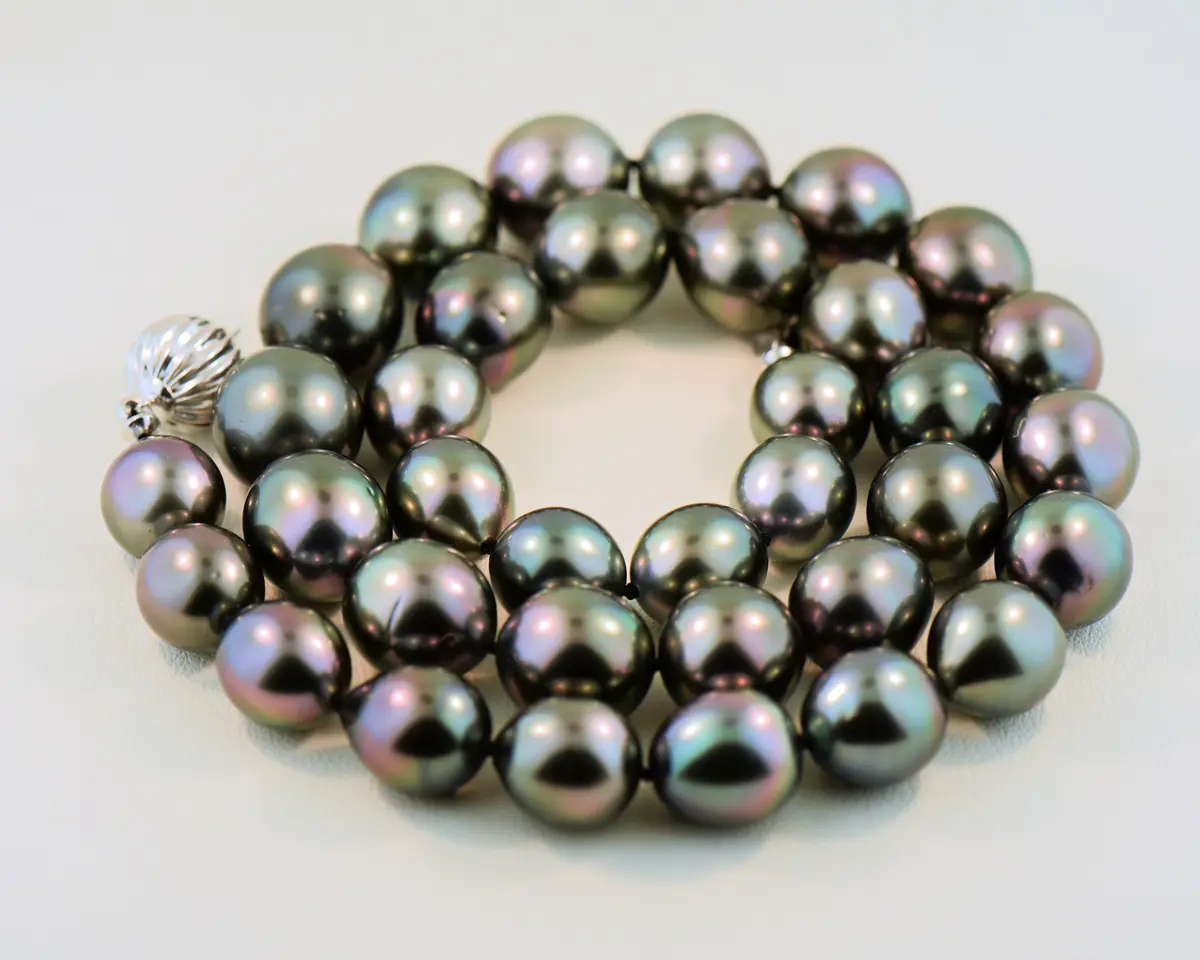
- Black Pearls: Produced by the Tahitian black-lipped oyster, these pearls range from deep black to shades of green, blue, and aubergine. Their bold appearance makes them highly desirable.
- Pink and Lavender Pearls: Found in freshwater varieties, these pearls offer a softer, more delicate look, making them ideal for everyday wear.
Color & Value
Pearl grading takes into account several aspects, including size, luster, surface quality, and color. While white pearls are widely available, rarer shades like deep black or rich golden command higher prices. The depth of color, uniformity, and natural overtones contribute to overall value.
Which Pearl Color Should You Choose?
Selecting the right pearl color depends on personal taste and how the jewelry will be worn. Classic white pearls suit formal attire, while golden or black pearls add a bold touch to modern styles. Mixing different hues can create stunning contrast in jewelry collections.
Caring for Colored Pearls
Proper care helps maintain the vibrancy of pearl colors over time. Storing pearls separately from other jewelry prevents scratches, and gently wiping them after wear removes oils that can dull their shine. Avoiding harsh chemicals ensures that their natural shine remains intact.
Style
Pearl color plays a big part in their appeal, offering a variety of options for peoples different tastes. Some people prefer traditional white strand and some prefer an eye-catching black pearl piece so understanding pearl grading and color variations allows buyers to make informed choices. Each pearl tells its own story, making it a meaningful addition to any jewelry collection.
Comments are closed.